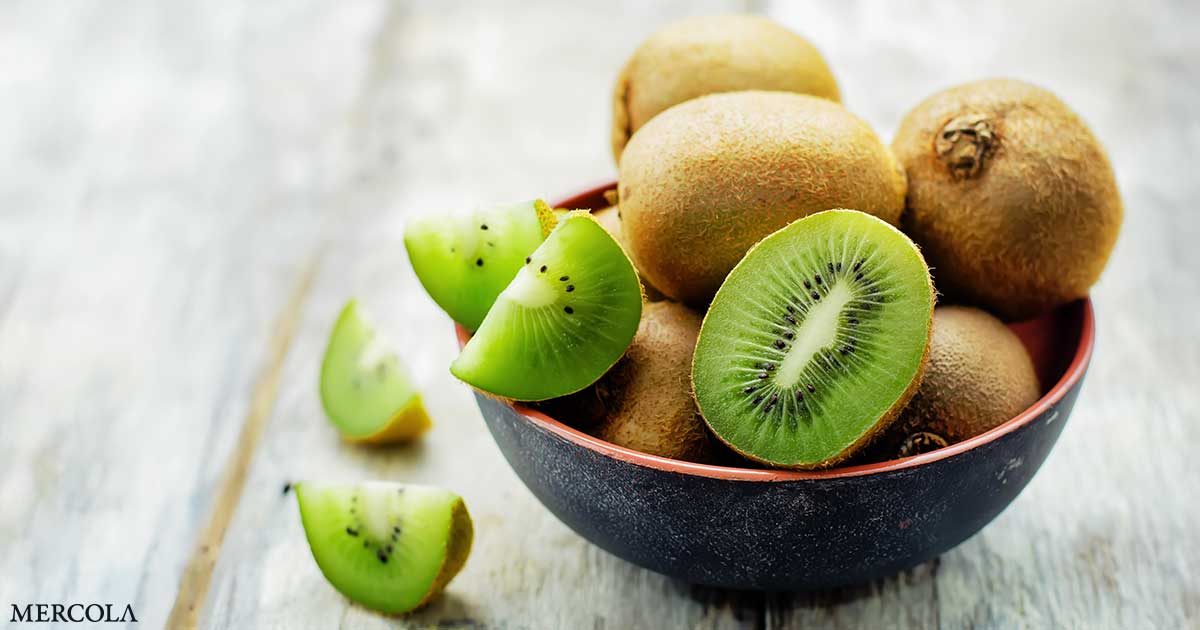
Vitamin C shapes skin health in a way most people aren’t aware of. Your body can’t make it, doesn’t store much of it, and depends on steady dietary intake to maintain normal skin structure. When that intake drops, skin is one of the first tissues to feel it. Collagen support weakens, renewal slows, and changes people often blame on age or stress begin to show up.
Most skin advice pushes creams, serums, and surface treatments. That focus skips over where skin biology actually starts. Skin cells depend on nutrients delivered through your bloodstream, not what you apply from the outside. If internal supply runs low, topical products can’t compensate for that gap. What stands out in the research is how clearly a single whole food — kiwifruit — alters this internal supply.
Rather than relying on how skin looks from the outside, researchers measured vitamin C directly inside human skin tissue.1 Those measurements show that when blood levels rise after consistent kiwifruit intake, skin tissue responds on a clear timeline, especially in people who start out low. Skin health follows nutrient delivery from the inside out, and kiwifruit offers a practical way to influence that process.
Dietary Vitamin C Reshapes Skin from the Inside
A study published in the Journal of Investigative Dermatology examined how vitamin C from food moves into human skin and changes its structure and function.2 Instead of relying on surface treatments, the researchers focused on what happens when vitamin C intake increases through diet, specifically by eating kiwifruit, one of the richest whole-food sources of this nutrient.
Their goal was to measure vitamin C directly inside the skin and determine whether higher intake alters how skin behaves at a biological level. The participants represented healthy adults with documented low or below-average vitamin C levels at baseline. This matters because many people fall into this range without realizing it, especially those who rely on processed foods or have inconsistent fruit intake.
• Researchers directly measured vitamin C inside real human skin — Researchers analyzed skin samples taken during elective surgery and tracked vitamin C levels in blood, whole skin, the dermis, and the epidermis, which allowed them to see how closely skin vitamin C follows what circulates in the bloodstream.
• Eating two kiwifruit a day rapidly restored vitamin C levels — Participants with low vitamin C status consumed two SunGold kiwifruit daily for eight weeks, providing about 250 milligrams (mg) of vitamin C per day.
This single dietary change pushed blood vitamin C to saturation levels, meaning the bloodstream carried enough vitamin C to fully supply body tissues, including the skin. Those with lower baseline vitamin C levels experienced the clearest increases in both blood and skin vitamin C after the intervention.
• Skin responded only when blood levels increased — Participants who already had high vitamin C status at the start showed little change, reinforcing that skin uptake depends on what’s available in circulation. If your vitamin C intake is already high, gains level off, but if it’s low, skin tissue responds quickly once supply improves.
Kiwifruit Intake Strengthened Skin and Sped Renewal
One of the clearest findings was how quickly skin responded once vitamin C levels went up. After eight weeks of higher intake, vitamin C inside the skin rose, and the skin itself became denser — more tightly built and structurally supported. The increase happened in the deeper support layer of the skin, where collagen lives.
This is the layer that gives skin firmness and resistance to sagging. Inside these collagen-producing cells, vitamin C levels were much higher than what circulates in the blood. The change was consistent in people whose blood vitamin C levels increased, showing a clear cause-and-effect pattern.
• Food, not skincare products, drove the change — No creams, serums, or treatments were involved. The improvement followed diet alone. That reinforces a simple point: skin structure depends on what reaches it through the bloodstream, not what you apply on top. When blood vitamin C dropped, delivery into skin slowed and internal stores fell, no matter what was applied topically. Inconsistent intake undermined long-term support.
• Skin replaced old cells faster — The outer layer of skin also renewed itself more quickly. Researchers measured this by tracking how many skin cells were actively dividing. Faster turnover means old, worn-out cells get replaced sooner, which supports smoother texture and better repair. Over the same eight-week period, skin cell activity also rose steadily. This lined up with rising vitamin C levels in the blood and skin, showing that renewal followed nutrient supply.
• Renewal depended on internal availability — As vitamin C increased in circulation, skin activity increased alongside it. Vitamin C didn’t drift into skin by chance. Specialized transport systems pulled it from the bloodstream into skin cells. This explains why steady blood levels matter more than occasional high doses. Regular dietary vitamin C kept these transport systems active and skin levels steady. Short bursts didn’t do the same job.
• Surface skin cells still benefited — Cells closer to the surface held less vitamin C but still showed faster growth and renewal. Even moderate internal levels supported healthier turnover when intake stayed consistent. Beyond structure, vitamin C influenced the signals that tell skin cells how to grow, organize, and renew — it helped turn on the instructions for healthy skin function.
• Some skin measures stayed the same — Not every skin feature shifted during the study. Markers linked to sun response and certain collagen fragments showed no meaningful change, and skin elasticity decreased slightly. This shows the effects of kiwifruit intake were focused on specific structural and renewal processes rather than altering all aspects of skin at once.
Restore Skin Vitamin C Where It Actually Matters
Skin health starts with supply, not surface treatments. Your body doesn’t make vitamin C and doesn’t store it in meaningful amounts, so your skin depends entirely on what circulates in your bloodstream each day. When intake runs low or inconsistent, skin cells fall short. Creams don’t correct that gap. Diet does. Raising and maintaining steady vitamin C levels through food keeps delivery systems active and allows your skin to rebuild and renew from within.
1. Rely on vitamin C-rich whole foods every day — Vitamin C works best when it comes from whole foods that also supply supporting compounds such as flavonoids and carotenoids. These nutrients help stabilize vitamin C and improve how your body uses it. Strong sources include kiwifruit, amla (also called Indian gooseberry), oranges, strawberries, guava, papaya, grapefruit, bell peppers, kale, broccoli, Brussels sprouts, spinach, and lemons.
2. Keep intake steady instead of relying on occasional boosts — Vitamin C doesn’t hang around in storage, so large doses taken sporadically don’t keep skin supplied. Skin cells respond to what’s available every day, not what shows up once in a while. Pair vitamin C-rich foods with meals you already eat so intake becomes automatic rather than something you have to remember.
3. Prepare vegetables in a way your gut can handle — Digestive health influences how well nutrients reach your skin. If your gut feels sensitive or easily irritated, large amounts of raw vegetables are typically difficult to tolerate and often worsen symptoms. Light steaming or gentle cooking reduces irritating compounds while preserving much of the vitamin C. As digestion improves, gradually adding raw vegetables helps expand nutrient intake without stress.
4. Support vitamin C with a skin-friendly diet overall — Prioritize collagen-building foods while removing fats that undermine skin repair. Foods such as bone broth, pure gelatin, and collagen provide glycine, an amino acid your body uses to build and stabilize collagen fibers in the skin.
At the same time, vegetable oils like canola and sunflower oil are high in linoleic acid (LA), a type of polyunsaturated fat that damages your mitochondria and places added oxidative stress on skin tissue. Replacing them with more stable fats, such as grass fed butter, tallow and ghee, supports a healthier internal environment for skin renewal.
5. Use kiwifruit as a simple, repeatable skin-support habit — Kiwifruit offers a practical way to keep vitamin C intake steady without relying on supplements or complex planning. Eating two kiwifruit daily delivers a consistent dose of vitamin C in a whole-food form your body absorbs and transports efficiently.
Making kiwifruit a regular part of your routine helps maintain the blood levels your skin needs to support structure, renewal, and resilience over time. When vitamin C intake stays steady and your diet supports cellular repair, delivery into skin layers remains active. That internal consistency is what allows skin strength, renewal, and resilience to improve and hold as you age.
FAQs About Kiwifruit, Vitamin C and Skin Health
Q: Why does vitamin C matter so much for skin health?
A: Vitamin C is required to maintain skin structure and renewal, but your body can’t make it or store much of it. When daily intake drops, skin is one of the first tissues affected. Collagen support weakens, cell turnover slows, and visible changes often appear long before other symptoms show up.
Q: Why don’t creams and serums solve vitamin C deficiency in skin?
A: Creams and serums don’t deliver meaningful amounts of vitamin C into the deeper layers of skin because the surface barrier limits penetration. Those deeper layers receive vitamin C almost entirely through the bloodstream. Internal supply, not topical application, determines how much vitamin C skin cells actually receive for structure and repair.
Q: How did kiwifruit improve skin vitamin C levels in the study?
A: Eating two kiwifruit per day raised blood vitamin C into a range where skin uptake increased. Once blood levels rose, vitamin C moved into multiple skin layers, leading to stronger skin structure and faster renewal, especially in people who started out low.
Q: Why does consistency matter more than occasional high intake?
A: Vitamin C clears from your body quickly. Large, infrequent doses don’t keep blood levels high enough to supply skin over time. Daily intake keeps transport systems active, allowing skin cells to stay consistently supplied.
Q: What else supports skin health besides vitamin C?
A: Skin health reflects overall nutrition. Diets that support collagen production, avoid seed oils high in LA, include stable fats, and provide gut-supportive foods help skin respond better to vitamin C. Poor dietary patterns weaken repair capacity and increase vulnerability to aging and sun stress.





Leave a Reply