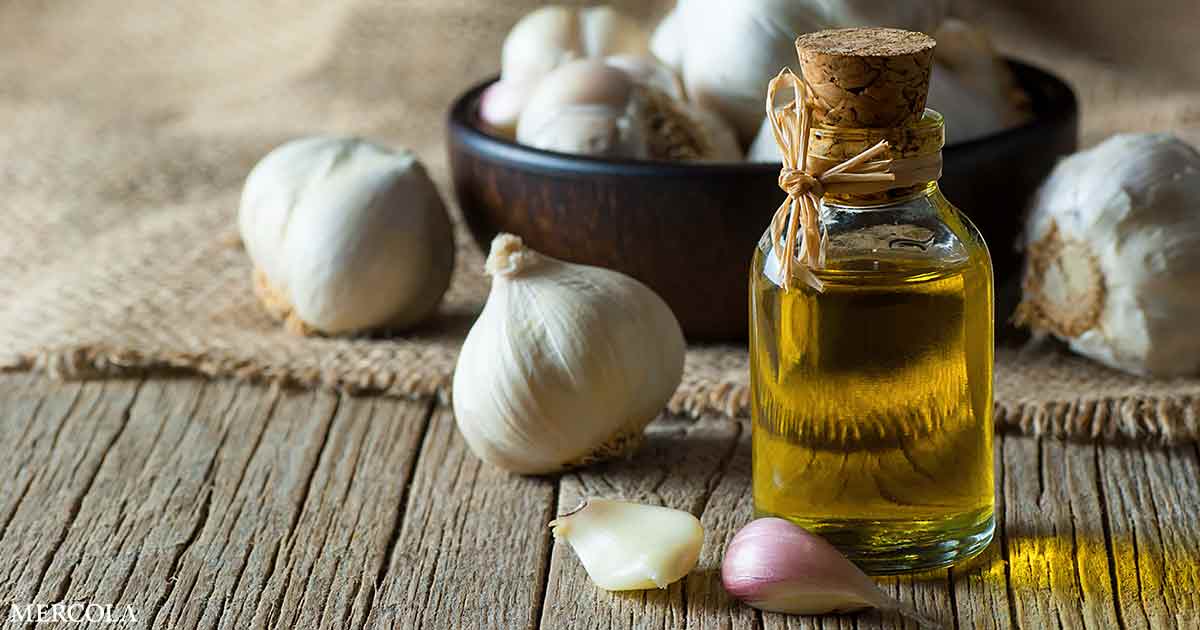
Garlic has a long history as both food and medicine, and various cultures have relied on it for centuries as a remedy for fatigue, stress, and infections. Ancient medical systems used garlic to support strength and resilience — it’s been used to help ease digestive issues, arthritis, and even heart disease.1
Today, experts are looking beyond the usual raw, pungent bulb, and are exploring the benefits of aged garlic — a more biologically active form of this whole food that delivers diverse health advantages. Emerging research shows that aged garlic extract benefits memory and emotional regulation in aging adults, offering a promising multi-target approach to support cognitive resilience during the golden years.
Does Aged Garlic Extract Improve Memory?
Findings from a recent animal study published in Biomedical Reports, conducted by researchers at the University of Missouri, looked at whether consuming aged garlic extract (AGE) improved long-term brain and behavioral outcomes in the test subjects.2,3
• Raw garlic vs. aged garlic extract: What’s the difference? Before we go into the specifics of the study, it’s best to understand what sets aged garlic extract apart from the garlic you see in markets and groceries. While both offer antioxidant and anti-inflammatory advantages, aged garlic extract takes it a notch higher. This is because the valuable sulfur compounds in garlic like S-allyl-L-cysteine (SAC) are more abundant and bioavailable in aged garlic than raw garlic.
• How is aged garlic extract made? Basically, this extract is made through a slow aging process in an alcohol-water solution, which converts its nutrients into stable, water-soluble compounds. Aside from SAC, this also includes fructosyl arginine or FruArg (more on this later). Aged garlic extract is colorless, odorless, and does not have the pungent nature of raw garlic, making it easier to consume.
• Conducting the study — The featured study involved 48 male mice that were placed under controlled environmental conditions. Following a one-week acclimation period, they were randomly assigned to receive either a standard diet or the same diet supplemented with aged garlic extract. During the course of the 40-week study, their food intake and body weight were regularly monitored.
• Evaluating the subjects — After the feeding phase, the mice were shifted to a reverse light-dark cycle and subjected to tests that assessed their sensorimotor performance, exploratory activity, response to anxiety, social interaction, recognition memory, and spatial learning abilities. Afterward, 10 mice were humanely euthanized so the researchers could study their brain proteins.
• Results show aged garlic extract benefits the brain — The researchers found that the mice that received the aged garlic extract demonstrated better thinking and memory skills. In the novel object recognition test, these mice were better at telling the difference between familiar and new objects and spent more time exploring the new one. This suggests improvements in learning and memory.
In the Barnes maze, the mice that received the extract not only found the escape box, but when the maze was changed for the reversal learning part of the test, they also identified the new location faster, especially during the early training sessions.
• These results are promising, especially for those in their senior years — Cognitive decline and neurodegenerative disorders such as Alzheimer’s disease are now common among aging populations, and these challenges stem from age-related brain changes, including hippocampal shrinkage, oxidative stress driven by reactive oxygen species, and ongoing inflammation.
The rise of natural nutraceuticals like aged garlic extract offers hope for addressing age-related brain deterioration, helping support longevity in aging adults.
“[T]he present study revealed the neuroprotective effects of dietary supplementation of AGE in improving age-related cognitive decline and anxiety-like behaviors in aging mice.
Proteomic analysis highlighted the increase in synaptogenesis and reduction in apoptotic signaling, supporting the notion of AGE supplementation as a nutraceutical to mitigate age-related cognitive decline,” the authors concluded.4
Can Aged Garlic Extract Relieve Acute Stress or Anxiety?
In the featured study, the mice that ate aged garlic extract showed no differences in how much they ate, how much they weighed, their survival, or their overall health compared with mice that did not get the supplement. Their coordination and grip strength also stayed the same. However, they did show clear improvements in fear- and anxiety-related behaviors.
For example, in the light-dark test, the mice that received the extract entered the dark area less often and spent more time in the light area, suggesting they felt less anxious. A so-called emergence test showed similar effects. Mice given the supplement not only spent less time hiding, but also explored the space more and traveled a greater distance.
They were less likely to stay still, which is a sign that they were less fearful of new environments. Previous research has also shown the benefits of garlic extract for stress:5,6
• Aged garlic affects the acute stress response — Published in the Journal of the Chinese Medical Association, the team of researchers looked at how aged garlic extract, specifically a low-temperature aged form, influences the body’s acute stress response. The mice were divided into three groups — the first group was given raw garlic, the second was given low-temperature aged garlic (LTAG) extract and the third was the control group.
The mice in this study were exposed to an acute restraint test where they were briefly but firmly restrained to trigger stress-related hormonal and neurochemical changes. Afterward, the researchers measured the mice’s stress hormones, brain monoamines (like serotonin and dopamine), and antioxidant markers.
• Mice that received either LTAG or raw garlic extract had noticeably lower levels of stress hormones — In particular, they had significantly lower levels of corticotropin-releasing factor (CRF), corticosterone, and cortisol. By lowering these hormones, garlic extract appears to help blunt the body’s stress response through the hypothalamic-pituitary-adrenal (HPA axis), the central system controlling stress.
• Garlic extract also restored neurotransmitter balance and improved antioxidant markers — Acute stress usually depletes key neurotransmitters, which are essential for mood regulation and mental clarity, in the brain. Having low levels of these brain chemicals are associated with anxiety and depression. The researchers found that both raw garlic and LTAG restored these neurotransmitters to healthier levels, suggesting that this nutraceutical may have antidepressant-like effects.
Lastly, the researchers found that LTAG improved antioxidant enzyme expression and reduced oxidative markers. This means it helps protect the brain from stress-induced damage, enhancing resilience on a cellular level.
In an editorial commentary written by Shih-Jen Tsai, chairman of the Department of Psychiatry in Taipei Veterans General Hospital, he highlights the broader significance of these findings, stressing that future research needs to explore whether LTAG also influences brain-derived neurotrophic factor (BDNF).
“[T]he protein brain-derived neurotrophic factor (BDNF), one of the major neurotrophic factors in the brain, is a main contributor for the link between stress and depression. It would be of interest to test whether LTAG can restore decreased brain BDNF levels after restraint stress. Study also needs to test whether LTAG has similar stress relief effect as anxiolytics during stress test,” he writes.
How Does Aged Garlic Extract Work in the Brain?
As previously mentioned, the benefits of aged garlic extract for memory and brain health lie in its sulfur-containing compounds, discussed below. Although also found in raw garlic, the aging process transforms these nutrients and makes them more bioavailable, so your body puts them to better use.
• S-allyl-L-cysteine (SAC) — S-allyl cysteine is one of the most stable compounds created through the garlic-aging process. It supports antioxidant activity, reduces oxidative stress, and influences nitric oxide pathways that aid in healthy blood flow. The researchers have also highlighted its potential in improving heart health, saying:
“AGE and its active components, such as diallyl trisulfide and SAC, could offer cardioprotective effects, including reducing myocardial damage and supporting glyco- and lipo-metabolism.”7
• Fructosyl arginine (FruArg) — FruArg is a carbohydrate that forms in garlic via the Maillard reaction during the aging process. It plays a role in lowering inflammation and oxidative injury. According to the researchers, FruArg can cross the blood-brain barrier, further contributing to its brain health benefits. It also helps calm down inflammatory pathways inside the brain.
• Aged garlic affects brain regions and pathways involved in memory formation and learning — The hippocampus, in particular, is the region most consistently affected in the aged mice that received the extract. In the featured study, broader molecular shifts were observed in this area, including changes tied to synaptic plasticity and apoptosis regulation. If you have ever experienced brain fog, sluggish thinking, or trouble recalling information, the hippocampus is often involved.
The cortex showed additional pathway shifts, though less pronounced than the hippocampus. These predicted pathway adjustments included synaptogenesis and 14-3-3 signaling.
• The researchers also linked their findings to reductions in oxidative stress and neuroinflammation — When oxidative pressure increases, brain neurons lose their efficiency and resilience. Neuroinflammation interferes with synaptic communication, neurotransmitter balance, and mitochondrial energy production.
Aged garlic extract’s compounds counter these stressors. By helping regulate redox balance and inflammatory signaling, SAC and FruArg support healthier neuroplasticity — the brain’s ability to form, reorganize, and strengthen neural connections.
Aged Garlic Extract vs. Aged Black Garlic
Aged garlic extract and aged black garlic extract are often lumped into the same category, but there are certain distinctions between these two. Although they generally offer the same antioxidant and anti-inflammatory effects, they are produced differently.
• How aged black garlic extract is made — To produce the extract, whole bulbs are placed in a warm, humid environment for several weeks, which slowly caramelizes the natural sugars inside the cloves. This turns the garlic jet-black, soft, sweet, and almost jelly-like. The process resembles slow cooking more than true aging.
• Heating at these controlled temperatures triggers the Maillard reaction — This is the same chemical process that browns roasted foods. That reaction changes the flavor, texture, color, and chemical makeup of the garlic, creating unique compounds but also breaking down others.
• How aged garlic extract is made — As opposed to black garlic, aged garlic extract is not heated. Instead, it sits in a water-alcohol solution for months, transforming the strong compounds in raw garlic into more stable, gentle, and bioavailable molecules. This slow aging process produces consistently high levels of S-allyl cysteine and FruArg.
The alcohol-water extraction also removes the strong odor and reduces digestive irritation, which is why aged garlic extract is far easier to tolerate daily than raw garlic.
What Dose Has Been Studied and for How Long?
In the featured study, the researchers delivered aged garlic extract to the mice by incorporating it directly into their daily diet rather than administering a traditional mg/kg oral dose.
• Creating the supplemented diet — The researchers mixed 2 kilograms of a 40% AGE aqueous solution with 25.2 kilograms of standard rodent diet. This produced 26 kilograms of AGE-enriched chow. Because the AGE solution contained 0.8 kilograms of AGE on a dry-weight basis, the final diet provided approximately 3% AGE by dry weight.
The mixture was dried to a 5% moisture level for stability and the mice were allowed to consume as much as they wanted rather than receiving a fixed daily amount.
• Duration of the diet — Mice began receiving this aged garlic extract dosage at 43 weeks of age and continued on this regimen for 40 weeks, allowing the researchers to assess the long-term neurological and behavioral effects of chronic AGE supplementation.
Since the featured study was conducted on animal subjects, the human equivalence cannot be completely verified, as animal metabolism, absorption, and lifespan differ from that of humans. However, there are previous studies on garlic extracts that demonstrated safe doses for people.
• A 2022 study looked at the effects of aged black garlic extract on lowering blood pressure — In this double-blind, crossover, sustained and controlled intervention study, 67 participants all consumed 250 mg per day of a combination of SAC/AGE or a placebo for six weeks. They underwent a three-week washout period and continued for the next six weeks with the opposite intervention.8
If you decide to supplement with aged garlic extract or aged black garlic extract, it’s best to consult with your physician to confirm the safe dose for you. This is particularly important if you have any existing health condition, allergy, or are taking any medication.
Is Aged Garlic Extract Safe? Who Should Avoid It?
Safety is one of the main reasons aged garlic extract attracts so much interest. The aging process breaks down the harsh, irritating sulfur compounds found in raw garlic, which is why so many people tolerate aged preparations far better. You avoid that sharp burn in your stomach, the digestive unpredictability, and the unpleasant odor that sits on your breath after raw garlic. Still, garlic has its own set of cautions that you need to understand.
• Garlic naturally carries antiplatelet effects — This means it reduces the stickiness of your blood cells and makes your blood clot less quickly.9 This can be problematic if you’re taking anticoagulant medications or antiplatelet drugs, or if you have a history of bleeding disorders.
Taking AGE can cause your blood to thin even further, which increases your risk of bleeding more easily or more heavily than expected. If you fall into any of these groups, consult with your doctor before using aged garlic extract.
• If you are preparing for a medical or dental procedure, AGE may not be advisable — During surgery, you want your blood to clot normally to avoid unnecessary bleeding, and garlic’s antiplatelet action might interfere with that.
• Allergies are another area where caution is needed — If you are allergic to garlic or other plants in the Liliaceae family, like onions, leeks, or chives, then aged garlic extract may lead to side effects.10
Aged garlic extract offers you a rare combination of safety, biological potency, and real preclinical evidence that points toward healthier memory, steadier mood, and stronger resilience under stress. While human trials are still needed, these findings provide evidence that this extract has its advantages over raw garlic and even aged black garlic.
If you decide to explore aged garlic extract, treat it as a supportive tool rather than a cure, pay attention to the safety considerations, and work with a practitioner who understands your health history. This gives you the strongest foundation as the science continues to evolve.
Frequently Asked Questions (FAQs) About Aged Garlic Extract
Q: Does aged garlic extract improve memory?
A: In animal research, yes. Mice that consumed aged garlic extract for roughly 40 weeks showed better recognition memory and stronger learning behavior, according to a recent study published in Biomedical Reports. Their brains also showed molecular changes in regions tied to memory, including the hippocampus.
Q: Can AGE help with anxiety or acute stress?
A: Animal data suggest meaningful benefits. A study published in the Journal of the Chinese Medical Association reports that aged garlic preparations lowered stress-related hormones and restored neurotransmitter balance in mice exposed to acute restraint stress. These mice behaved less anxiously and recovered from stress more efficiently. However, no human clinical trials exist, so the real-world impact for you remains unknown until those studies are completed.
Q: How long would it take to see effects?
A: In the featured animal study, improvements in learning, memory, and anxiety-related behavior appeared after long-term intake. The mice consumed the extract for about forty weeks before researchers evaluated their behavior and brain proteins. Because human research has not been done yet, no reliable timeline exists for people. Your response would depend on future human trials.
Q: What’s the active compound?
A: S-allyl-L-cysteine, often shortened to SAC, is the most studied compound in aged garlic extract. It is water-soluble, stable, and predictable in the body, which makes it different from the harsh, inconsistent sulfur compounds in raw garlic. SAC plays a major role in antioxidant activity, nitric oxide-related blood flow support, and cellular protection.
FruArg, another compound formed during the aging process, helps quiet inflammatory pathways inside the brain. Together, they drive many of the effects discussed in the research.
Q: Is aged black garlic the same as AGE?
A: No. Aged black garlic and aged garlic extract are created through entirely different processes and contain different dominant compounds. Aged black garlic is heated for weeks until it turns black and sweet, while aged garlic extract undergoes a slow, controlled aging in water-alcohol that increases SAC and FruArg. Most of the research on memory, stress, and brain pathways involves aged garlic extract — not aged black garlic — so substituting one for the other gives you different outcomes.
Q: Is AGE safe with blood thinners or antidepressants?
A: Aged garlic extract has antiplatelet activity, meaning it reduces how quickly your blood clots. If you take anticoagulants, antiplatelet drugs, or have a bleeding disorder, you need to talk to your healthcare provider before using it. This is especially important before surgery, since altered clotting increases bleeding risk. Interaction data related to antidepressants specifically is limited, so professional oversight is necessary if you take psychiatric medication.





Leave a Reply