As hard as it may be to believe, some of us have never seen a movie belonging to the Marvel Cinematic Universe. If you’re one of those uninitiated, none of the countless clips incorporated into the Like Stories of Old video essay above will tempt you to get initiated. Nor will the laments aired by host Tom van der Linden, who, despite once enjoying the MCU himself, eventually came to wonder why keeping up with its releases had begun to feel less like a thrill than a chore. As if their CGI-laden sound and fury weren’t trying enough, there’s also “the constant quipping, the annoying self-awareness, the fact that everything has to be a franchise now.”
Van der Linden labels a central factor in the decline of the MCU “storytelling entropy.” Classic films, you may have noticed, concentrate practically all the energy in every facet of their production toward the expression of specific themes, stories, and characters; at their best, their every line, gesture, cut, and invention represents the tip of an artistic iceberg. Take, to use a popular example, the lightsaber introduced in Star Wars, which Van der Linden calls “not just a weapon, but a metaphor” that “symbolically communicates a lot about the philosophy of its wielder, and about the larger world that it exists in,” condensing “a multitude of meanings and ideas into a simple, singular object.”
It does so in the first two or three movies, at any rate. In the decades since, as the Star Wars universe has grown ever vaster, more complex, and conceptually unwieldy, so the proliferation and modification of the once-marvelous lightsaber has turned it into something mundane, even banal. So it goes with storytelling entropy, a phenomenon that afflicts every narrative franchise commercially compelled to grow without end. That process of expansion eventually turns even the most captivating original materials diffuse and uninvolving to all but the hardest-core fans — by which point it has usually become obvious that creators themselves have long since lost their own passion for the stories.
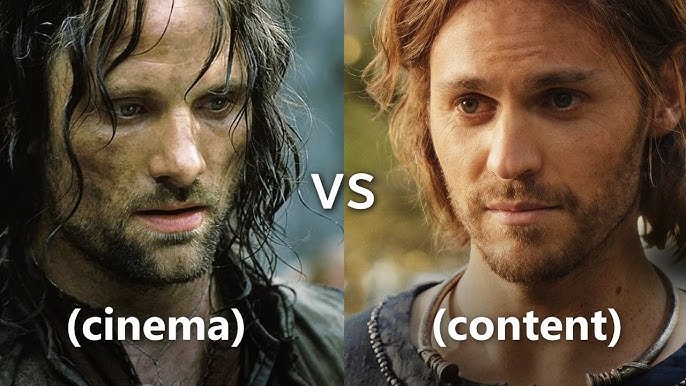
Most MCU viewers will admit that it has produced misses as well as hits. But Marvelization, as Van der Linden calls it, has also inspired other, imitative corporate franchises to pump out globally marketable content fiercely protected by intellectual property lawyers — and has even drained the interest out of realms of film and television that have nothing to do with superheroes, swords, or sci-fi. Hollywood has always been about the bottom line, of course, but only in recent decades have market saturation, cross-platform strategy, and maximum crossover potential come to dominate its priorities so completely. From the MCU or otherwise, a Marvelized movie is one that, at bottom, has no pressing need to be made — and that we, ultimately, feel no pressing need to see.
Related content:
Why Movies Don’t Feel Real Anymore: A Close Look at Changing Filmmaking Techniques
Based in Seoul, Colin Marshall writes and broadcasts on cities, language, and culture. His projects include the Substack newsletter Books on Cities and the book The Stateless City: a Walk through 21st-Century Los Angeles. Follow him on the social network formerly known as Twitter at @colinmarshall.




Leave a Reply