The start of a new year has a way of triggering an urge to fix ourselves. To essentially undo the holidays. It’s the most pervasive belief I hear from my nutrition clients. But what if the most supportive reset wasn’t a detox, and instead, a return to nourishment? After weeks of disrupted routines, our bodies don’t need punishment. They need simple food, adequate hydration, gentle movement, and consistent sleep. As a nutrition consultant—who has seen how restrictive approaches backfire time and again—this gentle New Year reset goes against the grain. It’s rooted in anti-diet principles, focused on the premise of coming home to your body.
Featured image from our interview with Laurel Pantin by Michelle Nash.


Why We Feel Pressure to “Rein It In” This Time of Year
The start of a new year often arrives with an unspoken message: rein it in. After weeks of celebration, we’re encouraged (pressured, perhaps) to compensate. And unfortunately, January’s cultural narrative is impossible to escape. It suggests that indulgence must be followed by discipline. But again, what if the holidays weren’t something to recover from; rather, something to gently rebalance after?
A true reset doesn’t demand discipline or deprivation. It invites us back into rhythm. And it begins with supporting digestion and tending to our nervous systems. Ultimately, this anti-diet approach allows us to step out of the cycle of extremes and into something far more sustainable.
Why “Detox” Is Out
Maybe it’s just me, but the idea of detoxing implies that our bodies are somehow broken after a season of enjoyment. Spoiler alert: that couldn’t be further from the truth. Generally speaking, we don’t need to cleanse to be “healthy” again. Our bodies already have sophisticated systems in place to eliminate what isn’t needed.
When we layer extreme resets on top of holiday stress, travel, and disrupted sleep, we often add more strain rather than relief. Digestion slows. Energy dips. Hunger cues become harder to read. Instead of asking what to cut out, a gentle New Year reset asks what to add back in: regular meals, hydration, warmth, and consistency.
Nourishment isn’t just nutritional, it’s relational.
Nourish to Rebalance
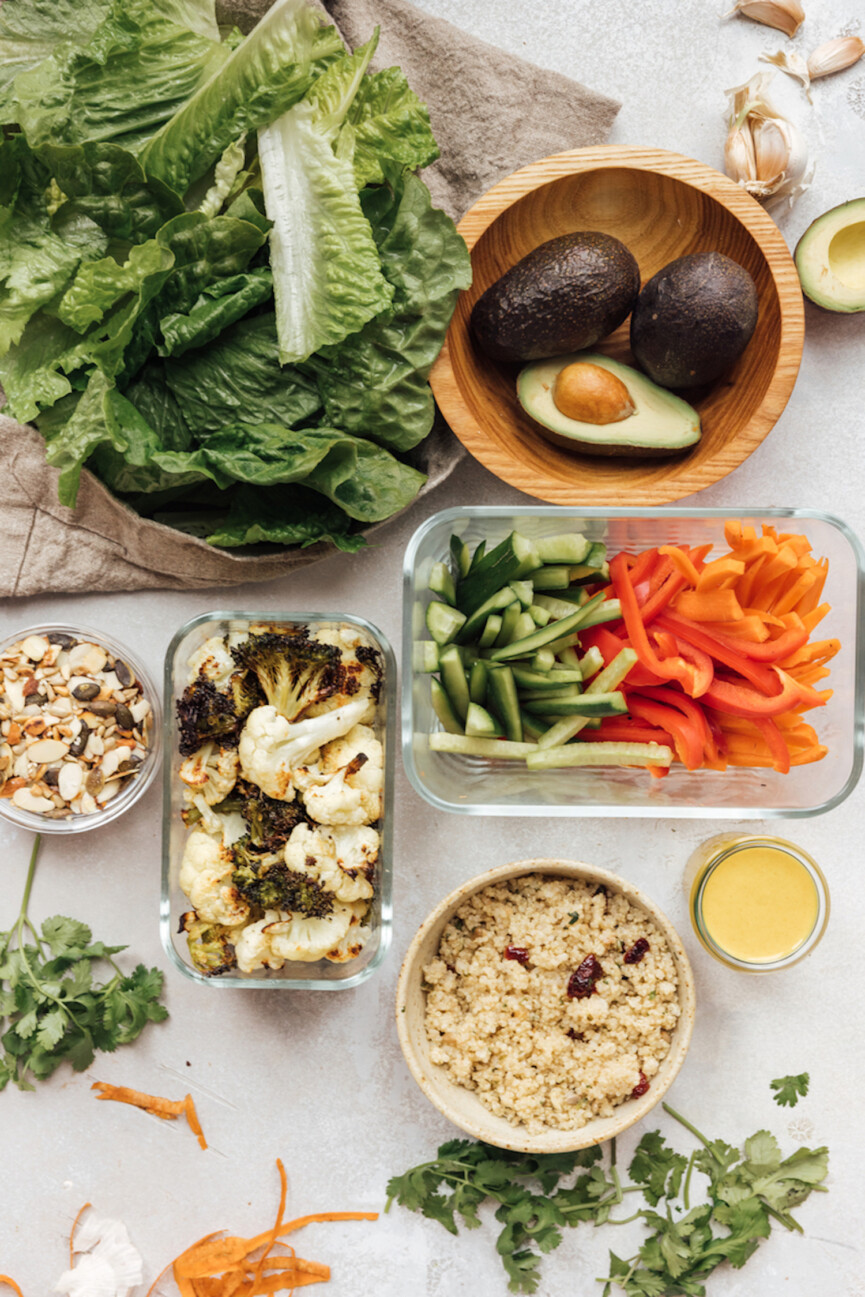
So, what does nourishment look like during the winter? For starters, grounding, satisfying meals that are easy to digest. Think creamy cauliflower soup with shredded chicken on top. Or this winter kale and citrus salad with soft-boiled eggs or baked tofu. You get the gist. Protein becomes the anchor, fiber keeps digestion moving, and healthy fats support vitamin absorption. It’s a simple, supportive trifecta! Equally important is how we eat. Slowing down dramatically impacts digestion and overall well-being. Nourishment isn’t just nutritional, it’s relational.
Simple Meals for Digestion
After weeks of variety and indulgence, digestion often benefits from simplicity. Think warm, familiar meals—veggies stews and sheet pan rice—give the digestive system a chance to settle. Fiber paired with protein and fat supports blood sugar and satiety. Small amounts of fermented foods can gently support gut health without overwhelming it. This isn’t about eating “clean.” It’s about choosing foods that feel kind to your body right now. Often, the simplest meals are the most restorative.
Hydration & Movement Rituals
Hydration is one of the most powerful (and overlooked!) forms of nourishment, especially after a season of travel, sugar, and late nights. Rather than treating water intake as a goal to hit, consider turning it into a daily ritual: a glass of water with electrolytes (or lemon) upon waking, warm tea between meals, minerals added when energy feels low. In terms of movement, it should feel restoring, not depleting. Walking outdoors, light strength training, etc., can help you reconnect with your body. The intention isn’t to burn anything off. It’s to feel present and capable again.
A Simple Guide to Getting Started
For many of us, getting started is the hardest part. And not because we don’t know what to do—but because we need a bit of extra motivation to begin. With that in mind, this reset isn’t about discipline. It’s about choosing a few steady practices that signal safety and consistency to your body. Start small and build slowly. Here’s how that plays out in real life:
1. Anchor your day with one nourishing meal. Choose one meal and make it reliably balanced. Include protein, fiber, and healthy fats. Keep it simple (and repeat!). This can be incredibly regulating for digestion and decision fatigue.
2. Eat regularly, even when your appetite feels “off.” Irregular eating is one of the biggest stressors on digestion and blood sugar post-holidays. Aim for meals (or dense snacks) every 3–4 hours. Consistency helps appetite cues recalibrate naturally.
3. Make hydration visible and automatic. Place a water bottle where you’ll see it. Pair hydration with an existing habit, like unloading the dishwasher in the morning. Small cues create momentum.
4. Choose movement that restores energy, not drains it. Ask yourself: What kind of movement would help me feel better today? Walking, light strength, mobility, or yoga all count. Consistency matters more than intensity.
5. Protect sleep like it’s part of your wellness plan (because it is!). Earlier nights, dimmer lights, fewer late-night screens. Sleep supports everything from digestion to appetite regulation (more than any “reset” protocol ever could). Time to reset your circadian rhythm.
A Softer Way to Begin the New Year
A gentle new year reset doesn’t ask you to start over. It invites you to return—to nourishment, to rhythm, to the habits that support you day after day. When wellness is built from replenishment rather than restriction, it becomes something you can sustain well beyond January. Here’s to coming home to ourselves in 2026.






Leave a Reply