We may receive a portion of sales if you purchase a product through a link in this article.
There’s something about the beginning of a new year that invites us to pause, zoom out, and ask bigger questions about the lives we’re creating. If you clicked into this post, I have a feeling you’re ready to approach the year ahead with intention—open to growth, clarity, and possibility.
I’m a big believer in setting goals, but only once I’m clear on the direction I want my life to move in. For me, the most powerful work happens before the goal-setting—when I take time to define my vision for the year ahead.
That’s why I start every year with a reflection practice centered on my Future Self—the version of me I’m growing into, and the life I want to feel aligned with. If you’d like guidance as you move through this process, the Future Self Worksheet walks you through these same questions step by step and helps turn abstract ideas into clarity.
Today, we’re focusing on the first—and most important—part of the process: creating a vision for your life.

Why I Write Down My Vision Every Year
There’s no shortage of content about manifestation and vision boards. While visualization is powerful, I’ve found that it often stops short of helping us articulate why we want what we want—and how we’ll actually live it every day.
I’m an Enneagram 3. I like clarity. I like intention. And I like a roadmap.
Here’s the truth I’ve learned over time: Visualization, plus a tactical plan for doing the work, is the secret to making real traction toward creating our dream lives.
When I take the time to define my vision—before setting goals or creating a vision board—I’m able to move through the year with more focus, confidence, and calm. It becomes something I can revisit again and again, especially when I need a reset.
“You only need to know the direction, not the destination. The direction is enough to make the next choice.” —James Clear
How to Create a Vision for the Life You Want to Live
Companies create vision statements to guide decisions and keep teams aligned. I believe we deserve the same level of intention in our own lives.
Creating a personal vision isn’t about rigid plans—it’s about clarifying how you want to feel, live, and show up in the year ahead.
Below are the nine steps I use to define my vision every year.
If you want support as you move through these reflections, the Future Self Worksheet offers guided prompts to help you articulate what’s emerging.
1. Write Your 2026 Mantra
If your vision is the long version, your mantra is the short one.
Think of it as a phrase you can return to when you need grounding—something you can post where you’ll see it daily. You don’t have to land on it right away. Often, it reveals itself after working through the rest of the process.
Here are examples of mantras I’ve written through the years to help get your creativity flowing:
- Less distraction, more engagement.
- Slow down, stop rushing.
- Raise your energy.
- Enjoy today.
- Be here now.
- Simplify.
- Have more fun.
2. What Does Your Dream Life Look Like?
Close your eyes and imagine a day in your dream life—not the highlight reel, but the rhythm of an ordinary day. Don’t limit yourself to what seems realistic in the moment. Allow your imagination to run free. To help break free of the mindset that “dream life” equals status or material possessions, I like to focus more on what an actual day in my dream life looks like, by answering these questions:
- Where are you?
- Who are you with?
- How do you feel?
- What does “success” look like for you?
I always find that this exercise unlocks some new realization for me. It helps me get clear on what I actually want, instead of what I think I should want.
3. How Do You Want to Feel This Year?
Rather than focusing only on outcomes, I love anchoring my vision in emotions. Choose up to five feelings you want to experience more of this year, and revisit them often. Simply asking, “How can I feel more of this today?” can change the tone of your entire day.
Some examples might be:
Grounded + Centered: Present, Calm, Steady, Rooted, Peaceful
Expansive + Growth-Oriented: Curious, Open, Inspire, Creative, Brave
Energized + Motivated: Energized, Focused, Motivated, Capable, Engaged
Joyful + Light: Joyful, Playful, Light, Grateful, Delighted
Confident + Self-Assured: Confident, Secure, Self-trusting, Empowered, Aligned
Connected + Supported: Connected, Loved, Supported, Seen, Belonging
Hopeful + Forward-Looking: Trusting, Optimistic, Hopeful, Encouraged, Resilient
4. When Are You the Happiest?
This simple question often leads to big insights. How often do we go on autopilot and forget to ask ourselves if we’re incorporating the things that make us happy into our day-to-day lives? When do you feel most like yourself? A little soul searching may uncover that you’re happiest when you’re cooking, walking with a friend, trying a new sport, traveling, or lost in a good book. Whatever it is, the goal is to intentionally make more time for that in your life this year.
5. Where Do You Want to Go This Year?
Instead of last-minute travel decisions, try dreaming proactively.
What if you named the places calling to you—and then looked honestly at your calendar and budget to see what’s possible? Even if every trip doesn’t happen this year, naming them plants a seed. I usually target one “big trip” a year and a couple of shorter trips to places in the US. You may not get to them all in a year, but I’m confident that if you take this approach, that “dream spot” will be in your future.
6. Who Do You Want to Prioritize?
Relationships thrive when they’re tended to intentionally. For several years, I’ve kept a note in my Evernote called “My List.” It’s 10 or so names of people in my life (outside my family) who are top priority. These are the people I want to invest in, spend time with, and cultivate our relationship in a meaningful way this year. We all know how busy life gets, and keeping this list in a place where I can easily access helps me remember to check in and stay connected through the year.
In this step, you simply make a list of the friends, co-workers, extended family, etc. who you want to prioritize this year. Keep it short enough so that you can really invest in each of them.
7. What Do You Want to Read This Year?
I like to choose a small, meaningful reading list—often tied to personal growth goals or pure enjoyment. One book per season is a great place to start.
8. What’s One Thing You Want to Learn?
Learning keeps life expansive. Instead of overloading yourself, choose one thing you’d love to explore this year—something that feels nourishing, not performative.
9. Bring Your Vision to Life Visually
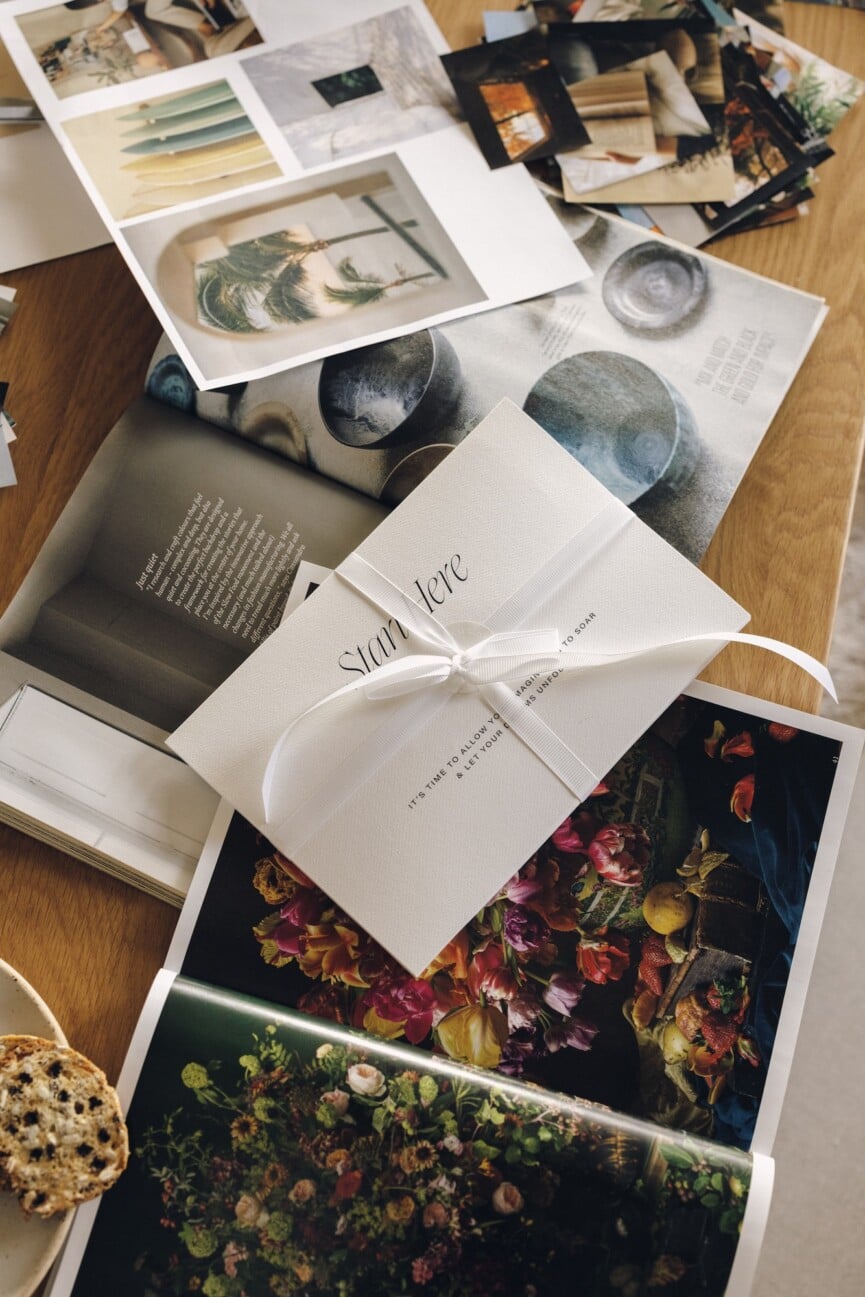
Once your vision is clear, creating a visual anchor can be incredibly powerful.
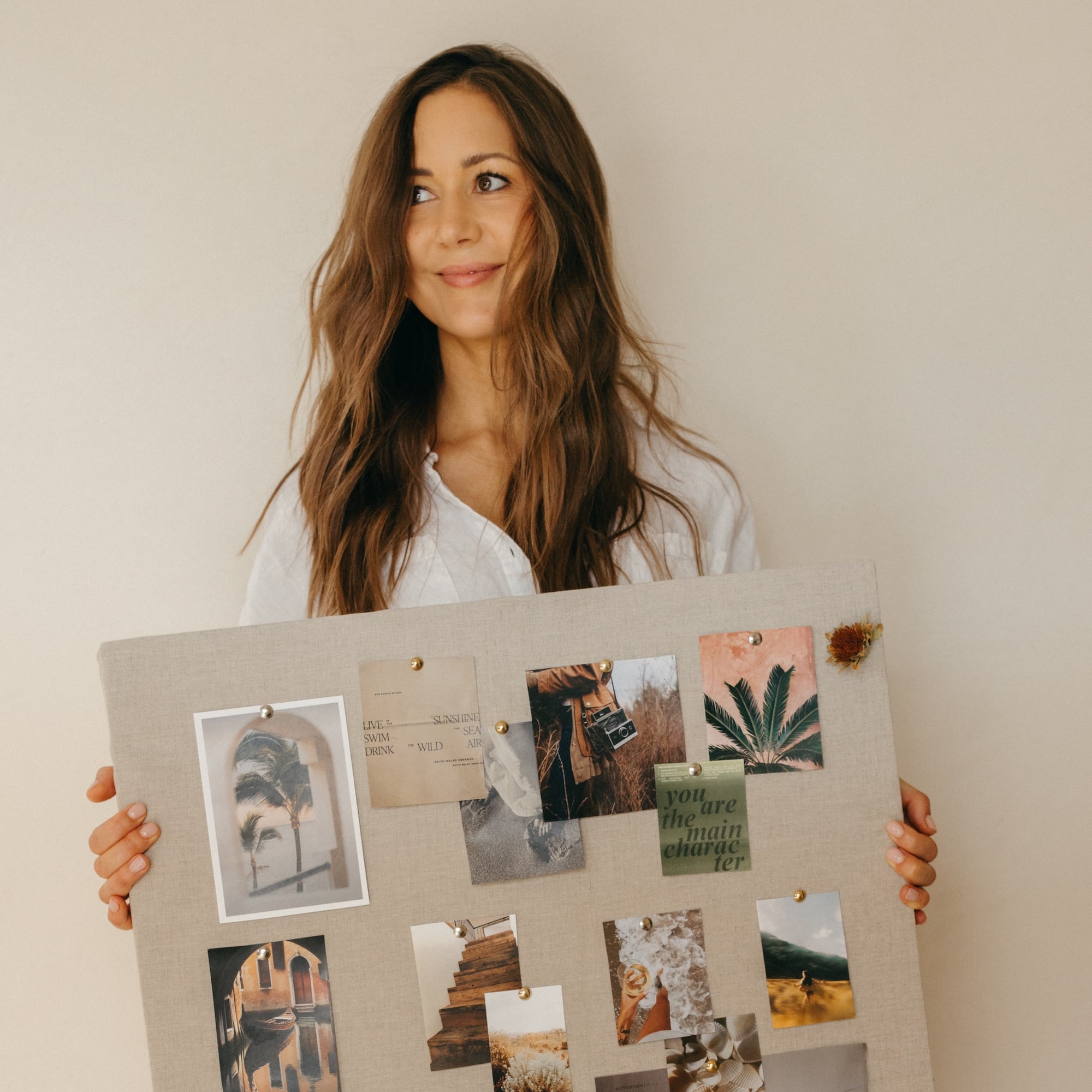
This is where a vision board comes in—not as a starting point, but as a way to express the vision you’ve already defined. Whether digital or tactile, the images and words you choose should reflect how you want your life to feel.
If you love a hands-on ritual, the Casa Zuma Vision Board Kit is designed to help you translate your vision into something tangible—beautiful enough to live in your space, meaningful enough to revisit daily.
And if you’re craving guidance, reflection, and community as you do this work, the Vision Board Workshop offers a supportive space to design your vision with intention—whether you join us virtually or in person.
You Did It
Creating a vision for your life is a powerful act—and one you can return to again and again throughout the year. Celebrate this moment of clarity. You’ve taken a meaningful step toward designing a life that feels aligned, intentional, and deeply your own.
If you’d like to revisit this process with structure, the Future Self Worksheet is always there to guide you back to what matters most.




Leave a Reply