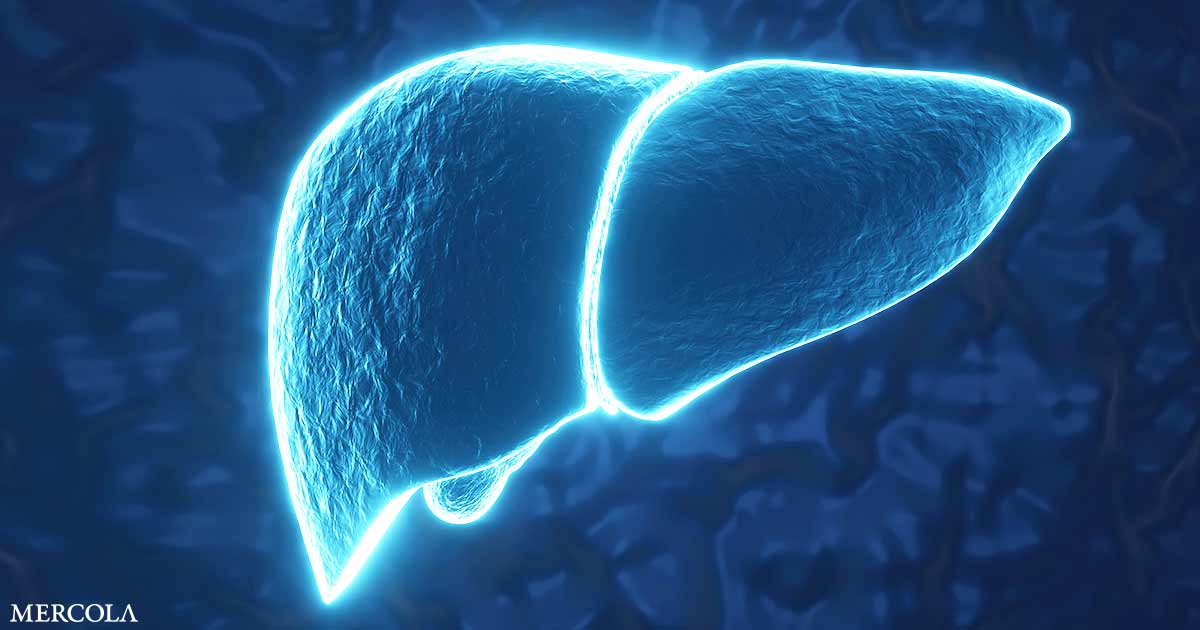
Non-alcoholic fatty liver disease, or NAFLD, has become one of the fastest-growing metabolic disorders worldwide, quietly affecting millions of adults who often feel perfectly healthy. Unlike alcohol-related liver damage, this condition stems from excess fat stored in your liver due to modern lifestyle factors — poor diet, inactivity, and chronic stress — that overwhelm your body’s ability to manage oxidative stress.
What makes it so insidious is that most people have no idea it’s happening until significant damage has already occurred. You might notice subtle signs first — low energy, brain fog, or mild abdominal discomfort — but these are easy to dismiss. Beneath the surface, your liver is struggling to keep up with the flood of inflammation and metabolic waste that builds when your cells are out of balance.
Left unchecked, this dysfunction doesn’t stop at your liver. It sets the stage for diabetes, heart disease, and even neurodegenerative disorders, all rooted in the same cellular breakdown. Addressing that root cause requires more than symptom relief — it demands restoring cellular balance where the problem begins. That’s what makes molecular hydrogen so remarkable.
As Tyler LeBaron, MSc., Ph.D., founder of the Molecular Hydrogen Institute, explains on Chemaine’s Model Health podcast, this simple molecule helps your body repair itself by regulating oxidative stress and supporting mitochondrial energy production.1
I’ve interviewed LeBaron myself, and as he explains, molecular hydrogen acts as a precision tool for inflammation control, protecting healthy cells while allowing your immune system to function as designed. By understanding how molecular hydrogen rebalances these core cellular processes, you gain a powerful strategy for protecting your liver — and your overall health — from the ground up.
Hydrogen Restores Cellular Balance and Protects Against Inflammation
In the discussion, LeBaron explains that molecular hydrogen (H2) is far more than a simple antioxidant. Unlike conventional antioxidants that indiscriminately neutralize free radicals, hydrogen works selectively. It targets the most harmful species — especially hydroxyl radicals — without disturbing the free radicals your body actually needs for signaling and immune defense. This precision allows it to calm inflammation without suppressing necessary repair processes.
• Hydrogen therapy has profound protective effects during stroke and cardiac injury — In the 2007 Nature Medicine study that inspired LeBaron’s research path, rats exposed to a stroke model were given low concentrations of hydrogen gas (about 2%).2
This small dose reduced brain injury dramatically by limiting oxidative damage. LeBaron notes that this finding ignited the entire field of hydrogen research, as it showed hydrogen could be administered safely and still exert measurable, therapeutic effects on living tissue.
• Molecular hydrogen has been studied as a treatment for NAFLD — LeBaron describes research showing that hydrogen-rich water reduced fat accumulation in animal models of fatty liver. Low-dose hydrogen water offered minimal benefit, but higher concentrations significantly improved liver function and reduced inflammation. Follow-up clinical trials mirrored these results in humans, showing measurable drops in liver fat and improved body composition within weeks.
• Participants with metabolic syndrome saw major after consuming hydrogen water three times daily — This group — characterized by abdominal obesity, high triglycerides, and insulin resistance — experienced reduced oxidative stress and enhanced mitochondrial efficiency, along with improvements in body fat, lipid profiles, and inflammation markers.
• Hydrogen’s effects involve fine-tuned control of oxidative and inflammatory pathways — Hydrogen activates the body’s master antioxidant switch. When turned on, this switch increases the production of protective enzymes like glutathione and superoxide dismutase — your cells’ natural shields against oxidative stress.
At the same time, hydrogen inhibits a signaling molecule that triggers chronic inflammation. The result is not immune suppression but recalibration: inflammation quiets where it’s excessive yet stays strong when needed for healing.
• Hydrogen’s selective action helps prevent cell death caused by oxidative overload — This process is known as apoptosis. In studies where cells were stressed with toxins or lack of oxygen, hydrogen exposure reduced apoptosis rates dramatically.
This protective effect stems from its ability to neutralize unstable molecules that attack DNA, proteins, and cell membranes. By eliminating only these harmful radicals, hydrogen spares beneficial molecules like nitric oxide, which are vital for blood flow and immune communication.
Hydrogen Therapy Is Easy to Use and Safe, Even at High Doses
Tablets that produce hydrogen when dropped into water create a cloudy, effervescent drink. LeBaron explains that the cloudiness shows active hydrogen gas in solution and that drinking it while still cloudy ensures the highest dose.
Room temperature water dissolves hydrogen best, and consuming it immediately after the tablet finishes dissolving maximizes benefits. Unlike other therapies that require IV drips or expensive devices, hydrogen offers an accessible, nontoxic option you can use daily at home.
• The molecule’s small size gives it a unique advantage — It diffuses through cell membranes, crosses your blood-brain barrier, and reaches mitochondria directly. LeBaron points out that hydrogen’s bioavailability is unmatched — it penetrates areas where larger antioxidants, such as vitamins C or E, can’t go.
Once inside your mitochondria — the energy factories of your cells — it helps restore normal energy production. This mitochondrial support is key for chronic fatigue, liver disease, and metabolic decline, all of which share a common thread: energy dysfunction caused by oxidative stress.
• Hydrogen’s anti-inflammatory benefits extend beyond your liver — They also support neurological, cardiovascular, and immune function. LeBaron reports that animal and human studies reveal improvements in cognitive performance, reduced anxiety, and faster recovery after injury.
Hydrogen’s adaptogenic nature — its ability to help your body adapt to stress — means it raises antioxidant defenses when needed but steps back when balance is restored. This prevents the “overcorrection” that often happens with high-dose antioxidant supplements.
• For those living with chronic pain, fatigue, or inflammatory conditions, hydrogen therapy represents a way to take back control — It doesn’t replace a healthy lifestyle, but it enhances your body’s ability to repair itself.
When paired with other energy-supportive habits like adequate sunlight, nutrient-rich foods, and reduced seed oil intake, hydrogen accelerates recovery and resilience. LeBaron’s research underscores a key point: the route to healing chronic inflammation isn’t suppression — it’s restoration of balance at the cellular level.
• Hydrogen works because it aligns with how your body naturally regulates stress and energy production — Unlike drugs that target one pathway or symptom, hydrogen communicates with your body’s own systems, teaching them to recalibrate. This precision makes it effective for a wide range of issues, from NAFLD and cardiovascular damage to neuroinflammation and fatigue.
Less Is More When It Comes to Benefits
It’s tempting to think that more hydrogen equals faster healing, but in this case, less is often more. Hydrogen therapy works best when it’s pulsed — periods of exposure followed by periods without. This intermittent approach enhances your body’s adaptive response and prevents tolerance, where your cells stop reacting as strongly.
• Pulse your intake — Drink hydrogen-rich water at specific times instead of sipping it throughout the day.
• Time your inhalation — Keep hydrogen gas sessions short (one to three hours) rather than continuous exposure.
• Take breaks — Give your body several hours each day without hydrogen supplementation so it recalibrates its signaling pathways.
• Not all hydrogen products deliver therapeutic doses — Measuring hydrogen concentration accurately requires gas chromatography, something most companies don’t do.
So, for those using molecular hydrogen at home, you’ll need to be cautious about product claims. The most reliable way to verify claims is to cross-reference methods verified in clinical trials. These include certain hydrogen-generating tablets that have been shown to produce therapeutic levels of hydrogen.
When used with intention, molecular hydrogen is one of the simplest, safest, and most effective ways to calm inflammation, repair your liver, and restore energy from the inside out. Your body already knows how to heal — hydrogen just gives it the spark to remember how.
How to Use Molecular Hydrogen to Heal Inflammation and Fatty Liver
If you’re dealing with chronic inflammation, fatigue, or a sluggish liver, it’s not just about easing discomfort — it’s about restoring energy at the cellular level. When oxidative stress overwhelms your system, your cells lose the ability to generate clean energy, setting the stage for insulin resistance and liver fat buildup.
Molecular hydrogen helps reset that system by teaching your body how to regulate inflammation, repair mitochondria, and restore balance from the inside out. Here’s how to make it work for you — safely, effectively, and sustainably.
1. Start with hydrogen-rich water daily to restore cellular balance — Drop one hydrogen tablet into a glass of room temperature water and drink it immediately after the tablet fully dissolves and the water turns cloudy. That cloudy look signals the presence of active hydrogen gas — the component that triggers healing.
If you’re dealing with liver inflammation, brain fog, or chronic fatigue, take hydrogen-rich water two to three times per day, at least an hour apart. This rhythmic “pulsing” gives your cells time to adapt and strengthens their internal defense systems rather than overwhelming them.
2. Use the right delivery method and timing — Hydrogen-rich water made from properly formulated tablets offers the most consistent and convenient way to supplement. Drink it immediately after preparation — don’t let it sit, or the hydrogen gas will dissipate.
If you prefer inhalation, keep sessions short — around one to three hours — rather than continuous exposure. Research and experience from experts like LeBaron show that pulsed use leads to better long-term results, as your cells respond more effectively when hydrogen is introduced intermittently rather than constantly.
3. Combine hydrogen therapy with habits that lower oxidative stress — Even the most powerful molecule can’t offset daily damage from poor diet, alcohol, and inactivity. Limit linoleic acid (LA) from seed oils to less than 3 grams per day and avoid alcohol — it’s a mitochondrial toxin that directly impairs liver recovery. Get natural sunlight exposure daily to recharge your cellular energy production. Pair hydrogen with these habits, and you’ll multiply its benefits, improving liver function, focus, and energy throughout the day.
4. Support your liver’s energy metabolism instead of depriving it — Starving your body with restrictive diets or extended fasting weakens mitochondrial function — the very system hydrogen helps heal. Focus on feeding your liver with healthy carbohydrates to maintain steady energy and promote fat metabolism — about 250 grams daily.
If your digestion is weak, start with easy-to-digest options like fruit and white rice before adding more fiber-rich whole foods. Once your liver has the energy and nutrients it needs, hydrogen will amplify its repair and detox capacity more efficiently.
5. Use hydrogen before mental or physical stress — Timing hydrogen intake around stressful events — such as before exercise, travel, or emotionally intense days — helps significantly reduce oxidative stress buildup. Drink hydrogen-rich water about 30 minutes before those stressors to buffer free radical surges. This approach gives your body extra resilience when it needs it most, improving energy, focus, and recovery afterward.
FAQs About Molecular Hydrogen
Q: What makes molecular hydrogen different from other antioxidants?
A: Unlike conventional antioxidants that indiscriminately neutralize all free radicals, molecular hydrogen targets only the most harmful species — particularly hydroxyl radicals — while preserving the beneficial ones your body needs for normal signaling and immune function. This selective action reduces inflammation without disrupting vital repair processes, making it safer and more effective for long-term use.
Q: How does molecular hydrogen help reverse fatty liver disease?
A: Hydrogen works by restoring balance at the cellular level. It reduces oxidative stress, calms inflammation, and improves mitochondrial energy production — the root causes of fat buildup in the liver. Studies show that hydrogen-rich water decreases liver fat and inflammation, while improving metabolism and body composition within weeks.
Q: What’s the best way to take molecular hydrogen?
A: Hydrogen-rich water made from properly formulated tablets is the most reliable and convenient delivery method. Drink it as soon as the tablet fully dissolves and the water turns cloudy — this ensures you’re getting active hydrogen gas.
Q: Is more hydrogen always better?
A: No. Hydrogen therapy works best when used intermittently or “pulsed.” Your body responds more effectively when hydrogen exposure alternates with rest periods. Drink it at specific times rather than continuously throughout the day, and limit inhalation sessions to one to three hours. This pattern enhances your body’s adaptive response and prevents tolerance.
Q: What lifestyle habits make hydrogen therapy more effective?
A: Hydrogen works best when paired with supportive lifestyle choices. Limit LA from seed oils to under 3 grams per day, avoid alcohol, and get daily sunlight exposure to boost mitochondrial energy production. Eat nourishing carbohydrates to keep your liver fueled, and use hydrogen before stressful events or exercise to reduce oxidative stress. These habits amplify hydrogen’s ability to restore energy, calm inflammation, and protect your liver and brain.
Test Your Knowledge with Today’s Quiz!
Take today’s quiz to see how much you’ve learned from yesterday’s Mercola.com article.
How does using an infrared sauna after your workout most directly benefit your recovery?





Leave a Reply