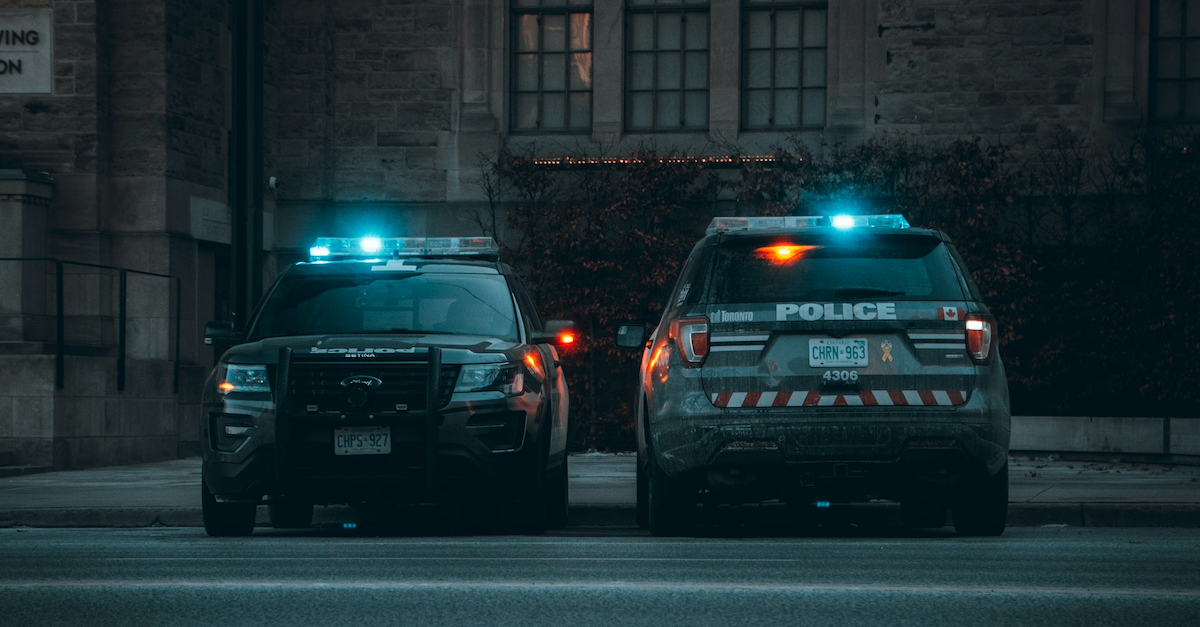

Today’s post is by Chris Berg and Paul James Smith, authors of The Night Police novels.
In crime fiction, the most powerful moments often aren’t about car chases or shootouts—they’re about impossible choices. Think of Martin Scorsese’s The Departed. At the climax, undercover cop Billy Costigan (Leonardo DiCaprio) faces off against corrupt officer Colin Sullivan (Matt Damon). Costigan has proof Sullivan is a mob mole; unfortunately for him, his cover’s blown too. Both men have a decision to make—cling to their oaths or focus on staying alive. Neither option comes easy, and whichever path they take, both moral and ethical consequences follow.
These are the crossroads we construct as thriller writers. They’re neither black nor white; they thrive in the gray spaces that test characters’ mettle, deliciously unsettle readers, and propel plots into uncharted territory. Incorporating these dilemmas into your narrative can evolve a simple crime yarn into something truly memorable.
Building the perfect dilemma
A moral or ethical dilemma isn’t just a tricky choice. It’s a collision of imperatives: follow one, and you sacrifice another. There’s no safe option, no loophole. A detective may bend the law in pursuit of justice. An officer might cover for a corrupt partner at the expense of his or her own integrity. The power lies in the personal and professional damage they cause.
The reason they matter is simple: dilemmas pull readers deeper into your story. They imagine themselves in the character’s shoes—Would I do that? Could I live with it?—and the suspense turns personal. This is where thrillers move beyond plot mechanics to something that lingers with the reader.
Thrillers hook readers with action, but it’s these dilemmas that leave a longer-lasting impression. When characters fight with right and wrong, they feel human; when choices carry heavy consequences, suspense clings through the last page; and when these decisions shift the story, the narrative gains depth.
Compelling thrillers reveal the world as it is—messy, complicated, morally uncertain. They reflect life’s tangled ethics and blurred lines between right and wrong.
Ethical battles at the heart of thrillers
At their core, many crime thrillers circle the same inescapable questions—for example:
- Justice vs. Law: Do the ends ever justify breaking the rules?
- Loyalty vs. Duty: Protect a partner—or expose their corruption?
- Greater Good vs. Personal Cost: Is it just to sacrifice one to save many?
- Truth vs. Harm: Is the truth ever worth the cost of an innocent life?
Used thoughtfully, these tensions box characters in and pull readers with them.
Building choices with real consequences
Effective dilemmas live in the character’s DNA, not just in plot mechanics. Begin by connecting the choice to your character’s past. For example, a detective who delays reporting misconduct may be afraid not just of professional fallout but also of reliving past wounds.
Then, raise the stakes. If the outcome doesn’t alter lives, careers, or relationships, readers won’t care. Make sure every choice matters. And consider timing and consequences—dramatic shifts, unexpected turns, pivotal moments—when decisions matter the most.
Avoiding missteps
Even the strongest ideas can falter. A scene overloaded with conflicting pressures quickly loses focus, while a dilemma wrapped up too neatly robs the story of tension. Preaching to the reader rarely works—let them wrestle with the consequences themselves. And characters must remain true to who they are; a cautious cop doesn’t suddenly take reckless risks without careful buildup. These dilemmas aren’t tidy. Show the cost of choices, reveal the fallout, and leave readers to navigate the gray areas on their own.
Consequences in motion
In real life, decisions don’t disappear with the turn of a page—and in crime fiction, they shouldn’t either. A detective who plants evidence doesn’t just secure a conviction; he carries the fear of exposure, the hit to his integrity, and the strain on his friendships. A protagonist who shields a corrupt partner may find that the betrayal festers, eventually detonating at the worst possible moment. The aftermath matters as much as the choice itself. By showing this, your thriller reflects a fundamental truth: these decisions change people.
Make the choice matter
If you’re working on a manuscript, choose a single storyline and place your protagonist in a true moral or ethical squeeze. Force him or her to choose between two bad options. Heighten the cost. Resist the urge to offer a safe escape hatch. Then, see how the story shifts around your choice. Readers stay hooked not by the action itself, but by the choices that lead to it. When a character is trapped by a dilemma, forced to confront who they are and what they’re willing to risk, the reader leans in, breath held. That is the moment when a thriller truly comes alive.
In crafting these tensions, prioritize authenticity over resolution—let the gray areas stand. This approach not only sustains suspense but mirrors the complexities of real ethical terrain. Apply it deliberately, and your story will gain the weight it deserves.

Chris Berg and Paul James Smith began their careers as beat partners in California’s Bay Area, quickly advancing to detective roles. Chris excelled in vice and intelligence, finding his niche as an undercover narcotics detective. He thrived in the world of hand-to-hand drug ‘buys,’ clandestine lab investigations, and the requisite counterfeit personas. Later, he became a narco field training officer and a court-certified expert witness in narcotics investigations.
Paul brings 31 years of law enforcement experience, serving as a field training officer, federal agent, Special Response Team member, sniper/instructor, National Tactical Team leader, and Organized Crime Drug Enforcement Task Force program manager.
Lifelong friends and writing partners for nearly a decade, Chris Berg and Paul James Smith craft crime thrillers inspired by true events. Their diverse backgrounds enrich both their writing and storytelling. They are Claymore Award winners and PageTurner Award finalists and the authors of The Night Police novels, which debuted with The Night Police: Beyond the Line of Duty in 2020. Centering on richly drawn characters and the impossible choices they face, they currently have three manuscripts in development or on submission—Blood Brothers, Twilight at Wolfie’s, and The Judas Game—each pushing the boundaries of tension and moral complexity in thriller fiction.



Leave a Reply